Out of Diversity, Unity
Educator: Jill Lewis Pepe, Art Educator
Cultural Partner: Maria Loreta Celitan, Dancer, Choreographer and Artistic Director of Sol y Sombra Spanish Dance Company
Cultural Partner: Basia Kurlender, Visual Artist, Cultural Events Organizer, and Graphic Designer
School: Wyandanch Memorial High School
Grades: 9th-11th
District: Wyandanch Union Free School District
District NYSED link: https://data.nysed.gov/profile.php?instid=800000037741
Summary
Translating an idea across movement, clothing symbols, visual imagery, and words reshapes both its meaning and emotional impact. In dance, the body communicates feeling and connection beyond language, while symbols on clothing can express identity, culture, and belonging at a glance. Drawn images in art class invite interpretation, allowing viewers to project their own experiences, while words attempt to clarify—but can also limit—meaning. As ideas move through these different forms, they become more layered, reaching individuals in personal ways and communities through shared understanding, ultimately reinforcing the message that unity can emerge from diverse expressions.
Rationale
Many students struggle with feeling proud of their identities, communicating with classmates, and building self-esteem. Through creating this movement piece, students learn to express themselves through language, imagery, and movement while sharing their identities and beliefs. The process encourages collaboration, strengthens communication, and helps students develop creative problem-solving and visual thinking skills, all while building confidence and a sense of unity.
What learning goals/standards did this meet?
Arts: Students will explore and express their identities through movement, imagery, and symbolic design, aligning with the New York State Learning Standards for the Arts. They will create original work that communicates meaning (Creating), reflect on and interpret their own and others’ work (Responding), and connect personal experiences to artistic expression (Connecting). Through collaboration, students will develop communication and problem-solving skills (Presenting), while building confidence and respect for diverse perspectives within a community.
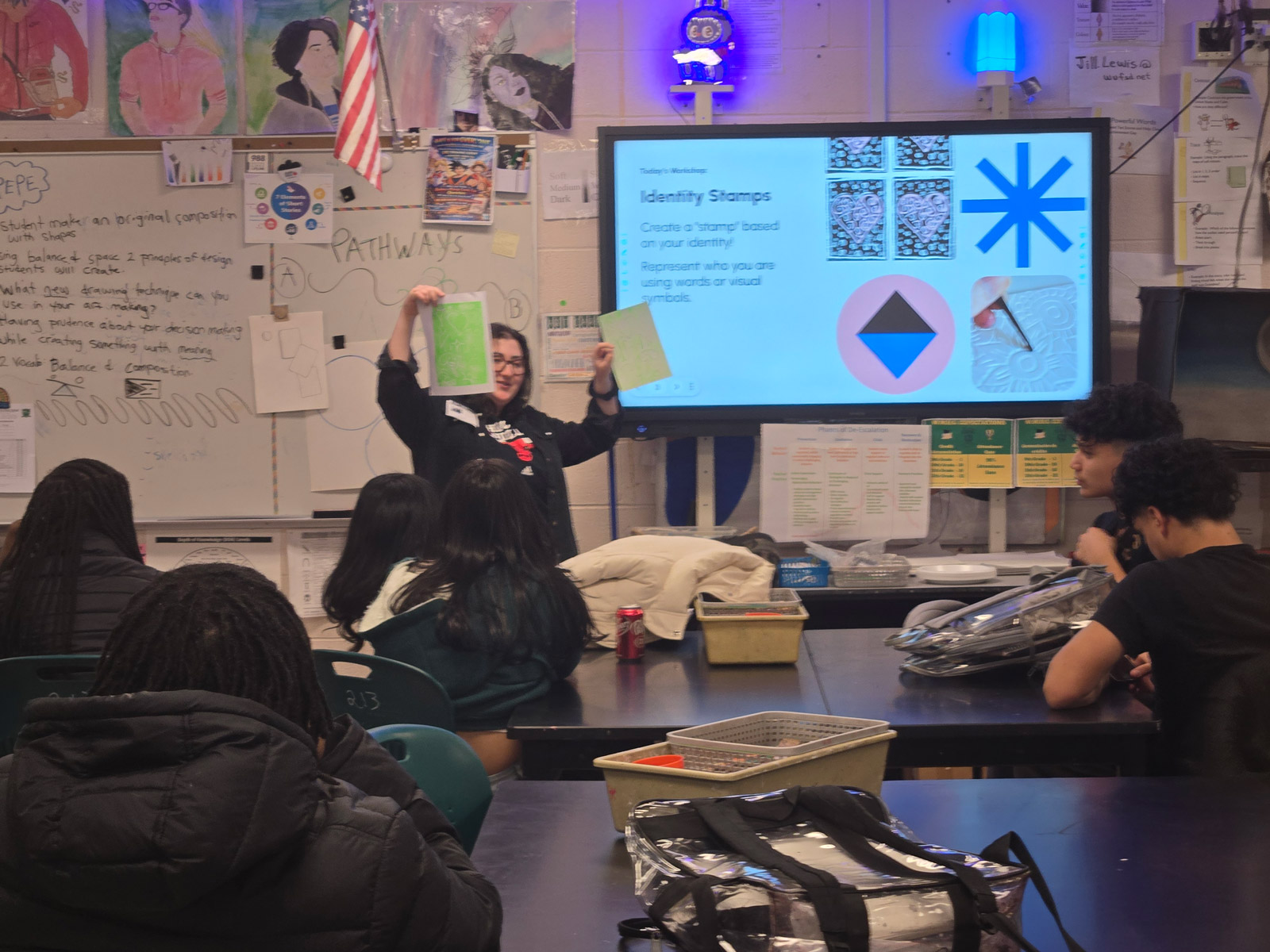
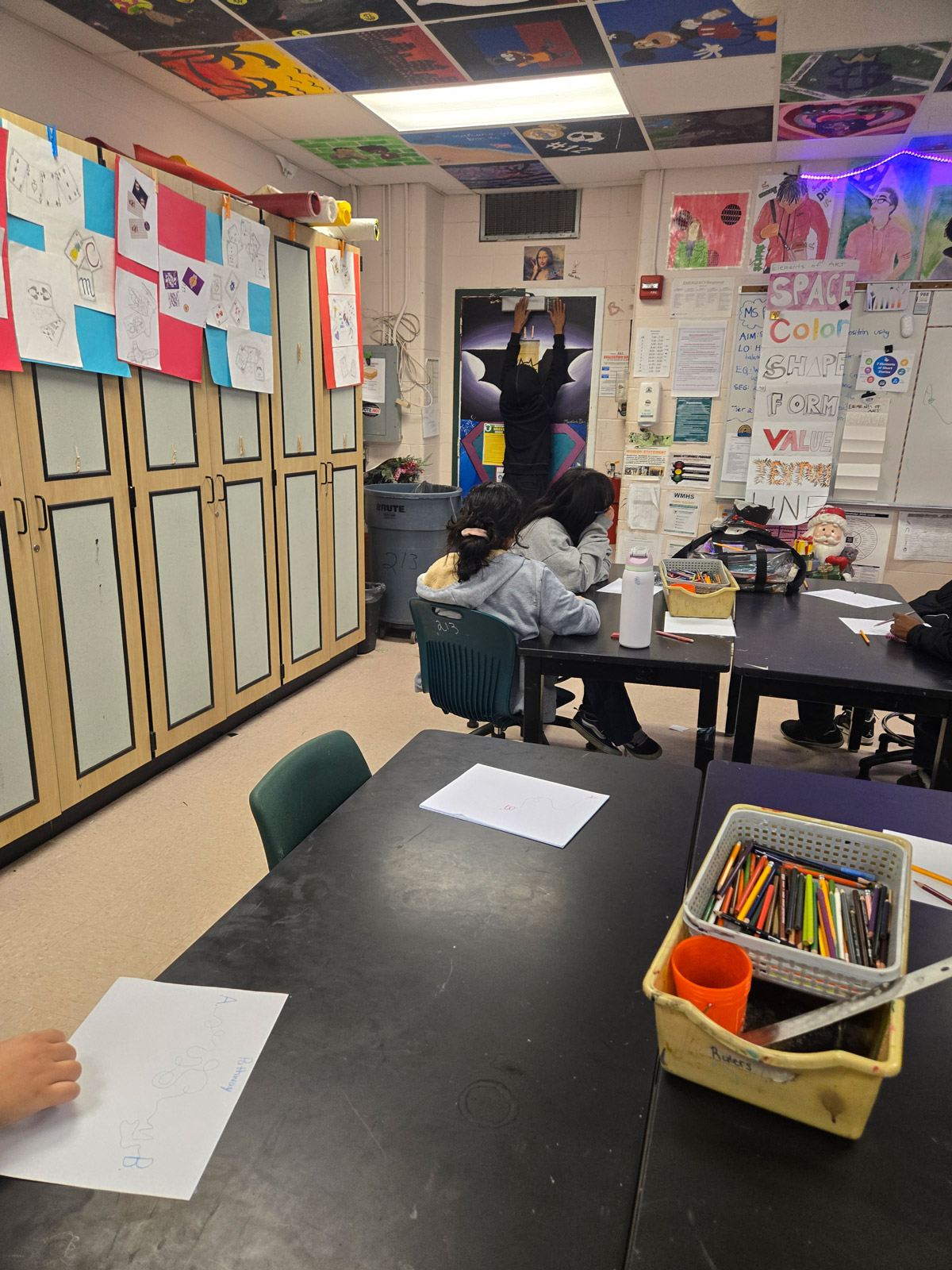
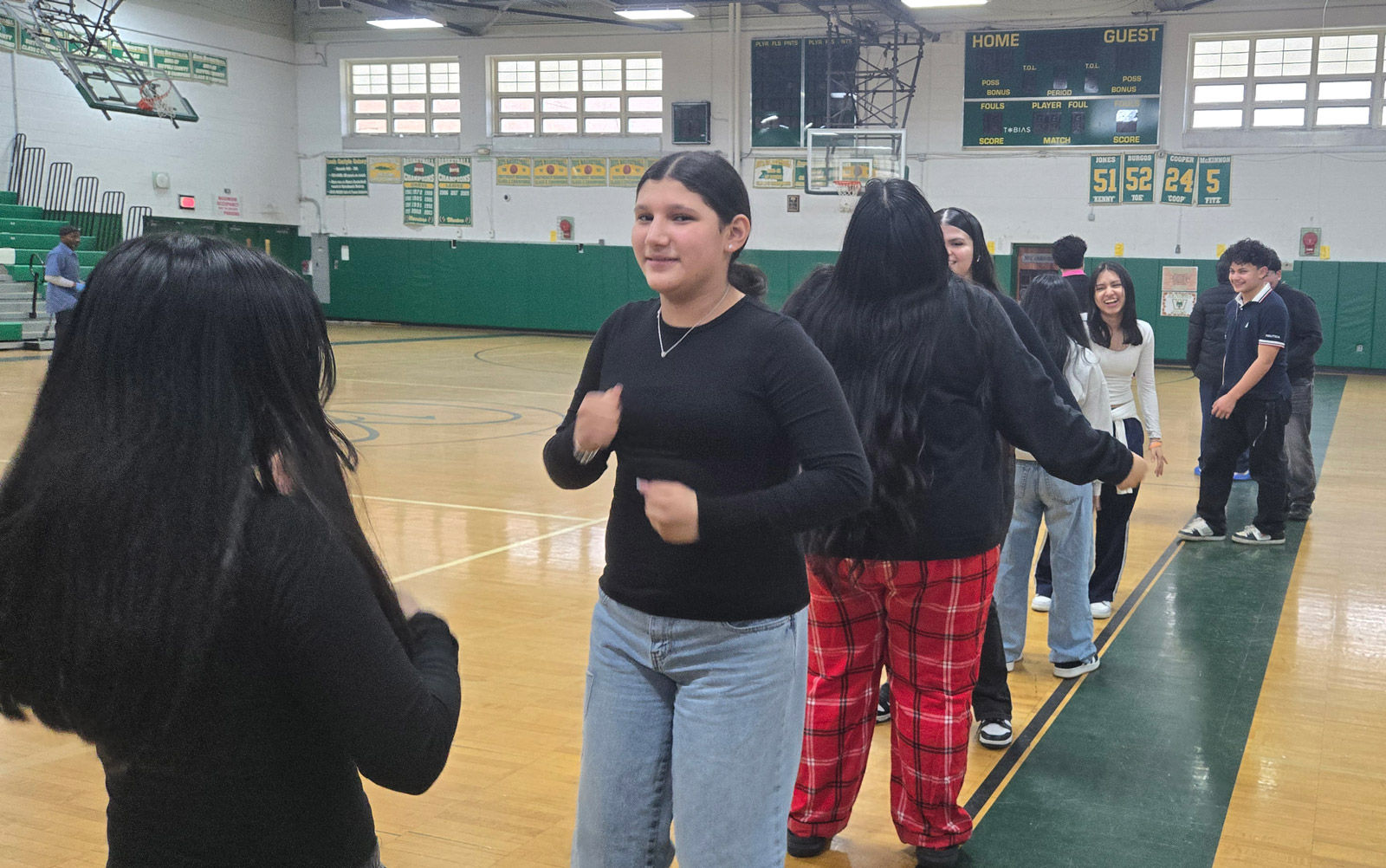
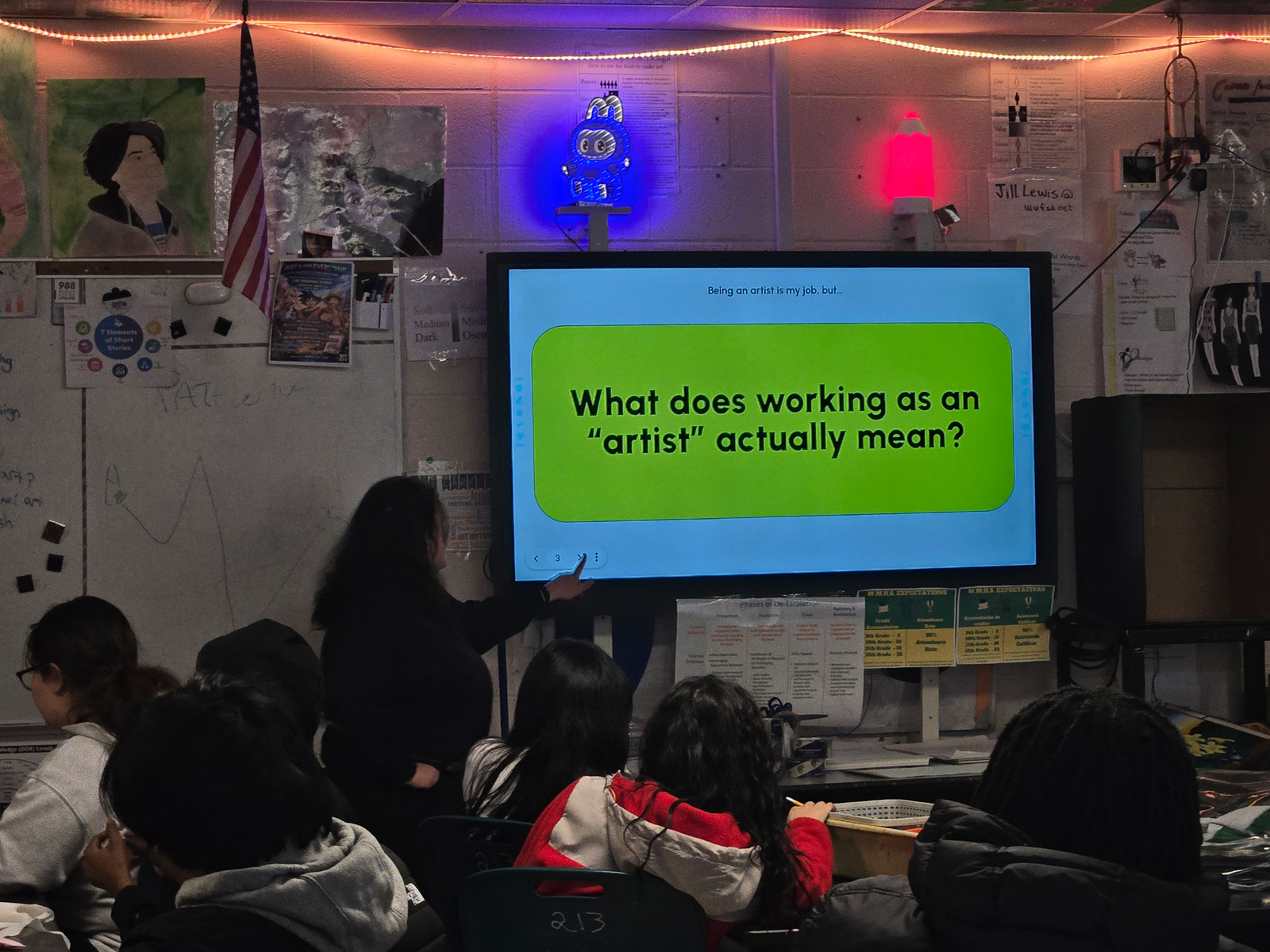
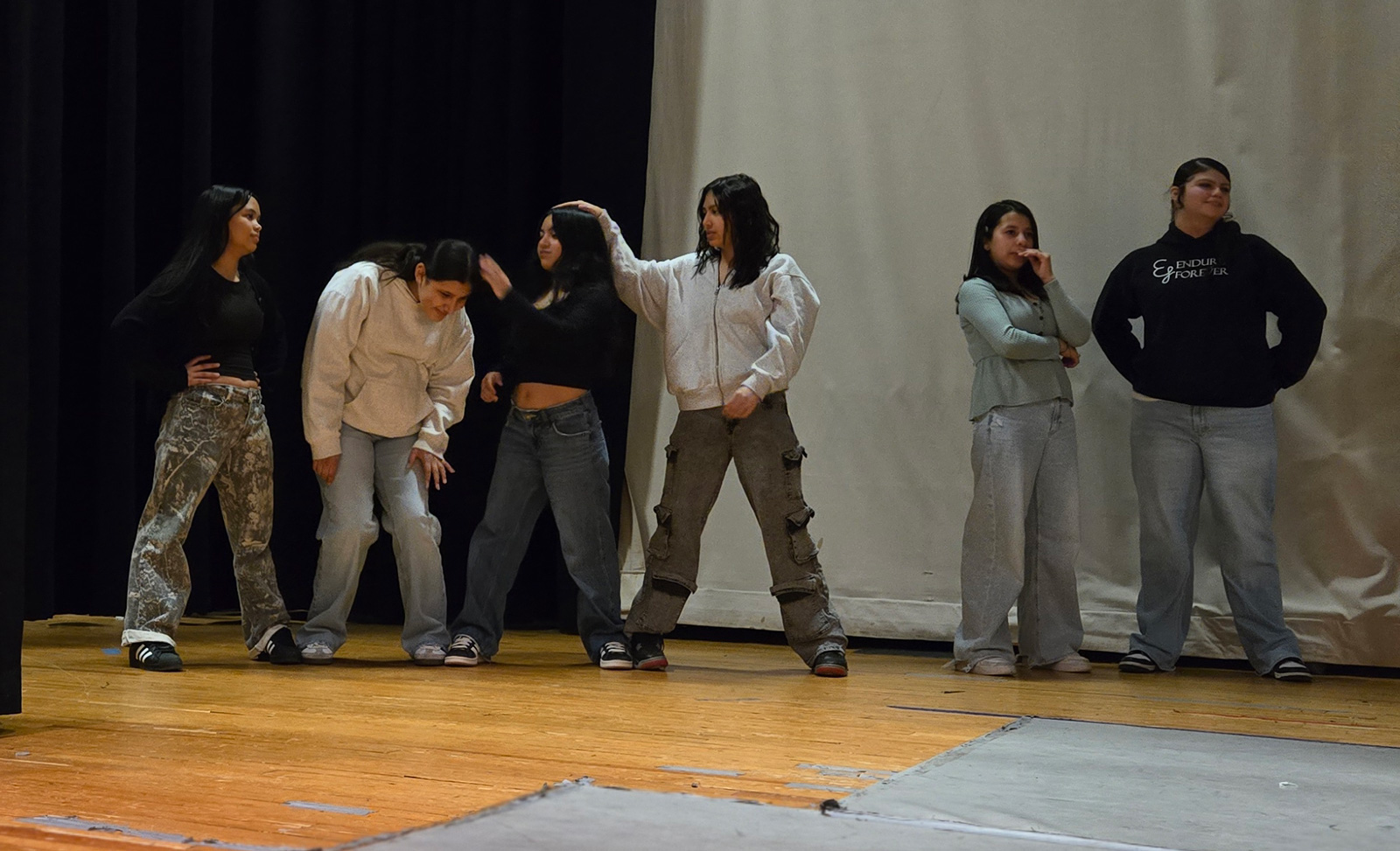
Students learned about the components of choreographing movement/dance- pathways. Levels, dynamics, shape, body expression of various states of mind- sad, happy, funny. Because this was an art class, parallels were drawn to the other visual arts with which they had more familiar such as graphics or sculpture.
CCCR
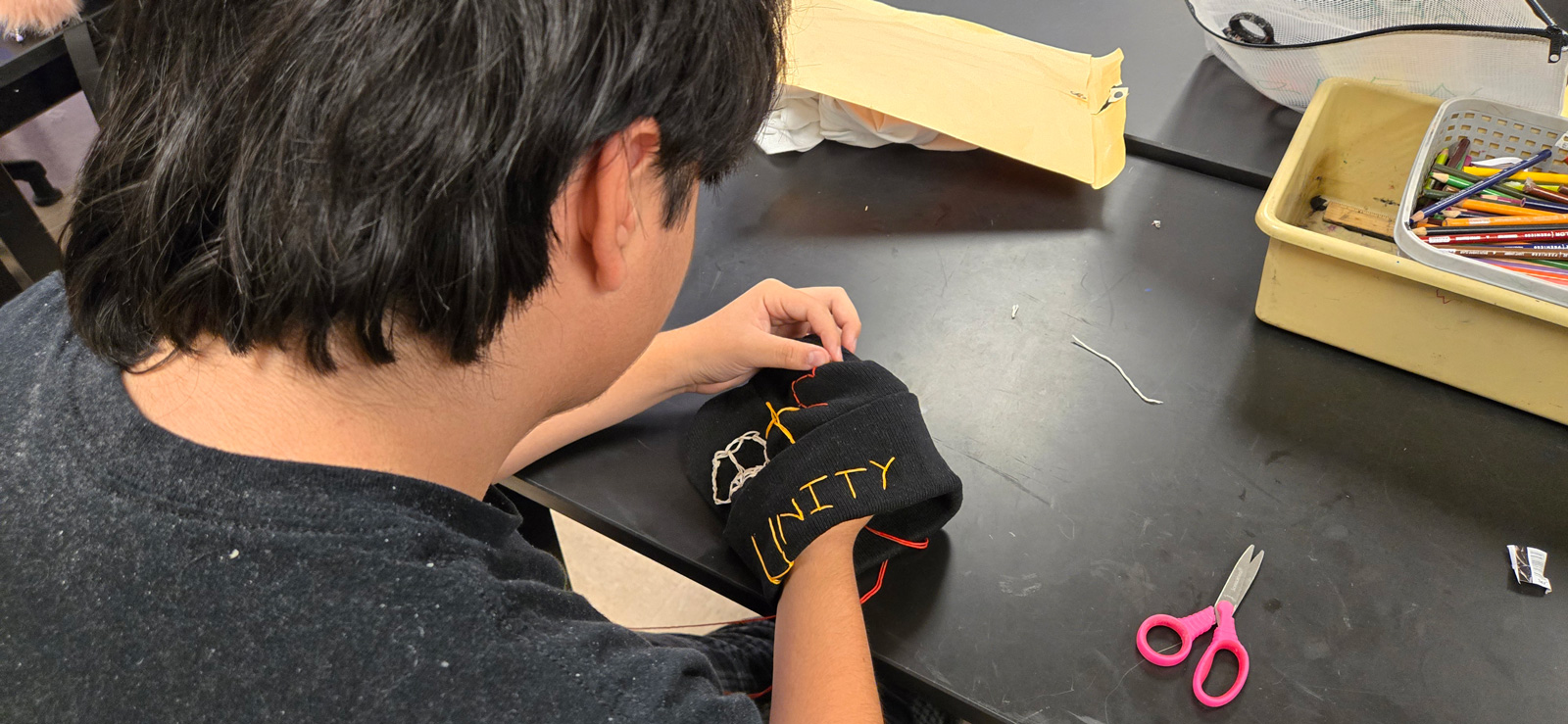
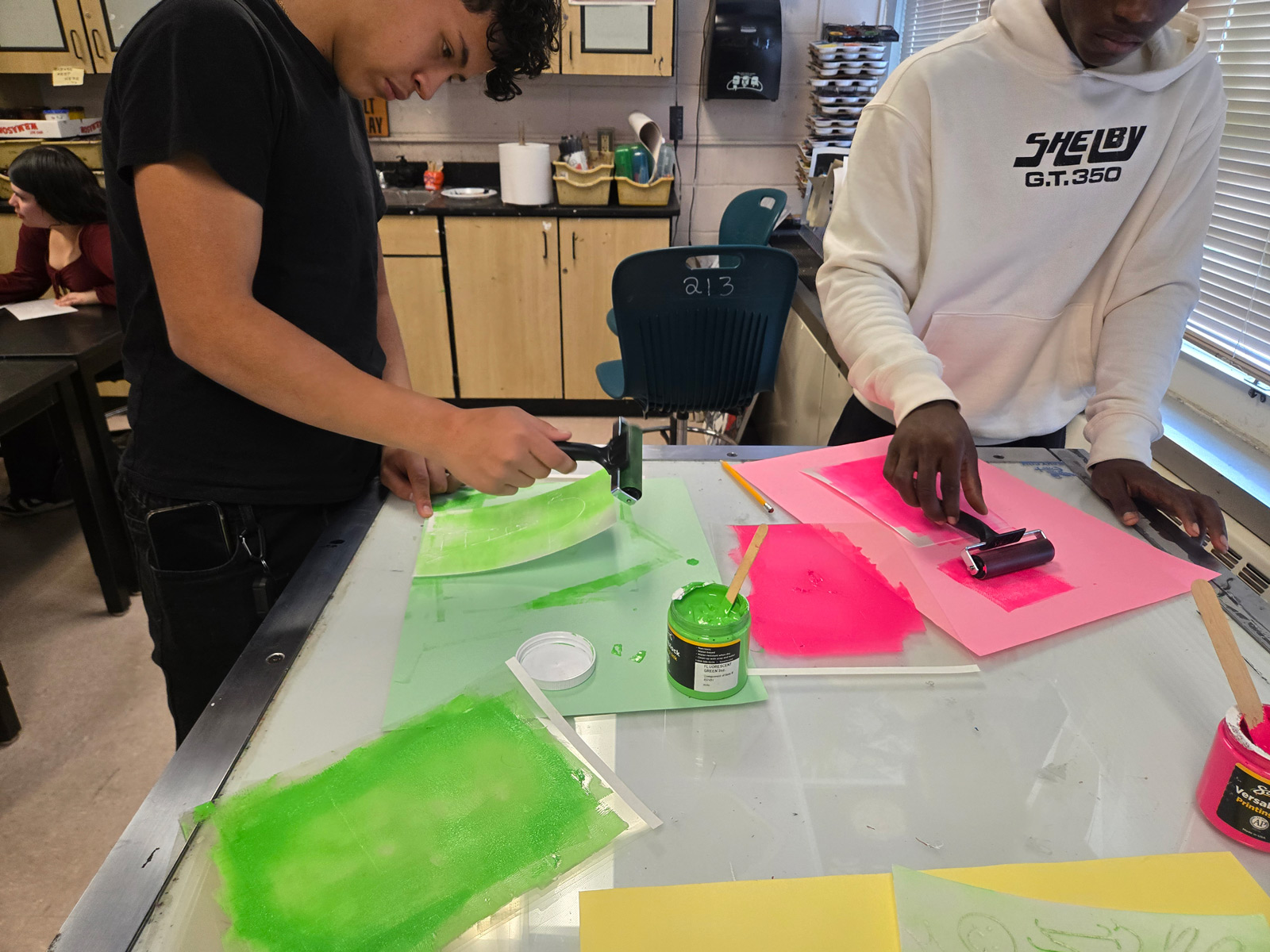
College & Career Goals: Students develop transferable creative problem-solving skills by translating a single concept across multiple disciplines, building decision-making confidence that transfers to academic planning and workplace contexts. Ex. through movement, t-shirt sales, students experience the full entrepreneurial cycle from concept to production to marketing to sales.
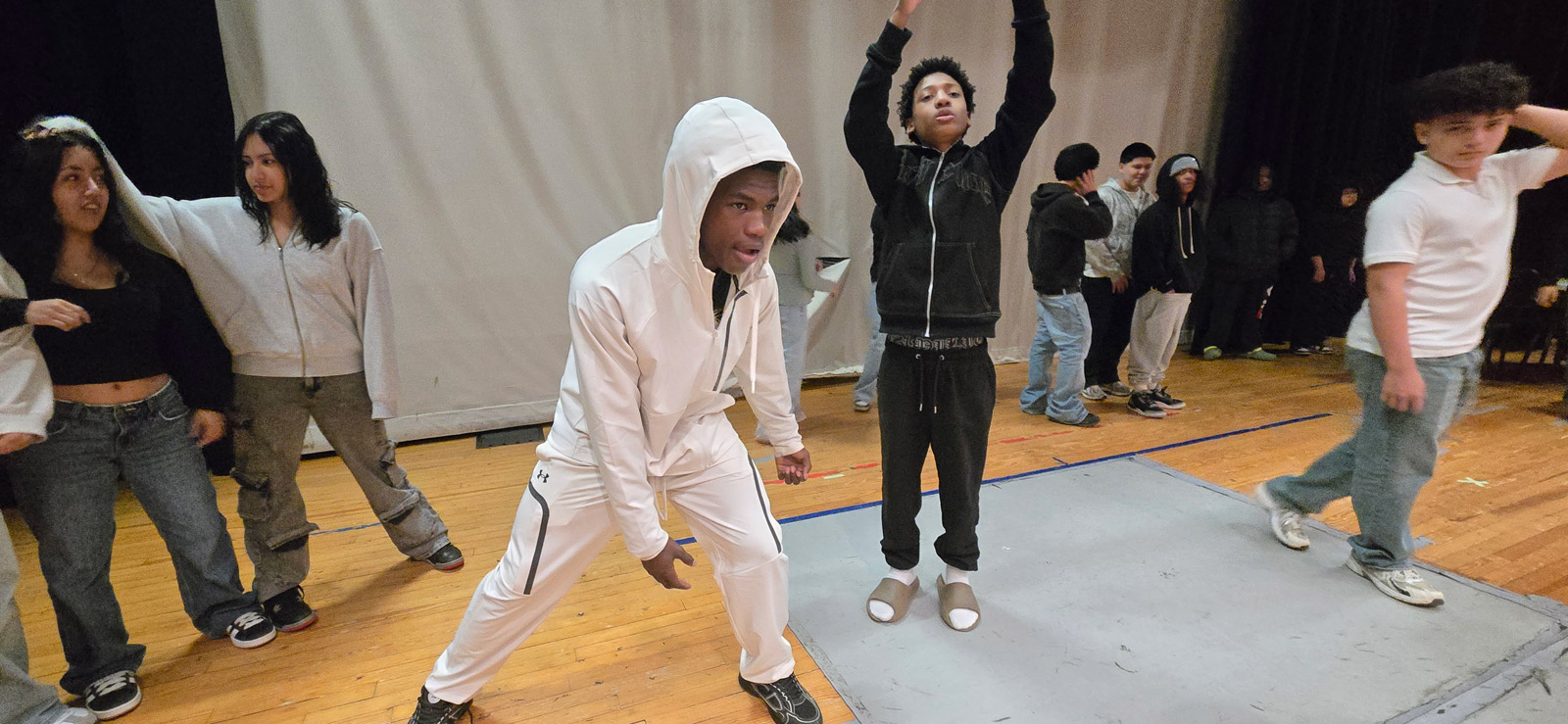
It can not be underestimated the value of being able to express oneself through movement in front of others. It is relatively easy to create art expressing outside of oneself such as painting a picture or making a vase. However, to use your body as the component of a work of art and call attention to it in front of others, particularly for middle school students, is truly a growing experience - to gain confidence in oneself that ensures success not only in the college classroom but throughout one’s work and life!
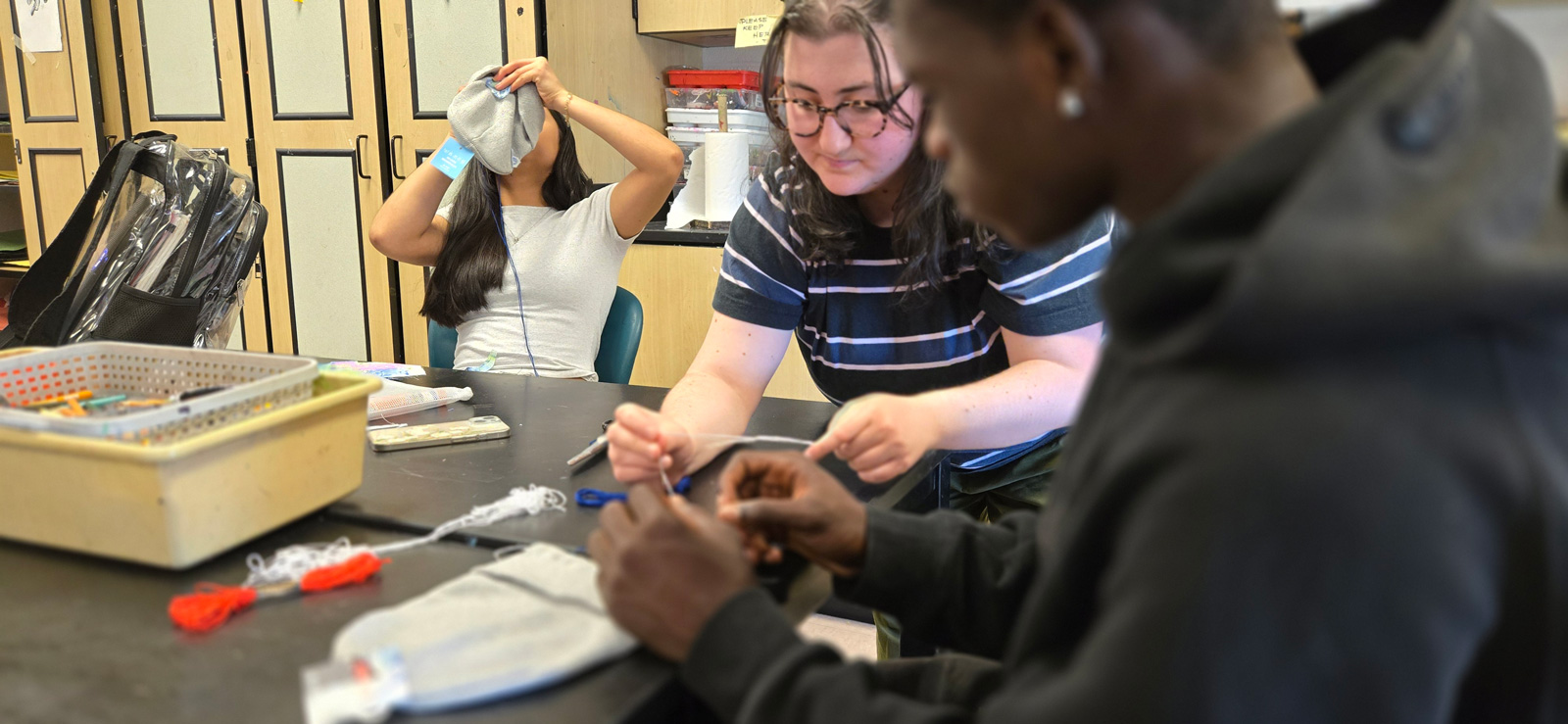
College & Career Pathways: Students gain hands-on exposure to careers in textile/fashion design, costume design, graphic design, printmaking, self-publishing, event planning, and creative entrepreneurship. Students can reference specific techniques learned when exploring high school electives, career pathways, or even hobby-based creative means of expression.
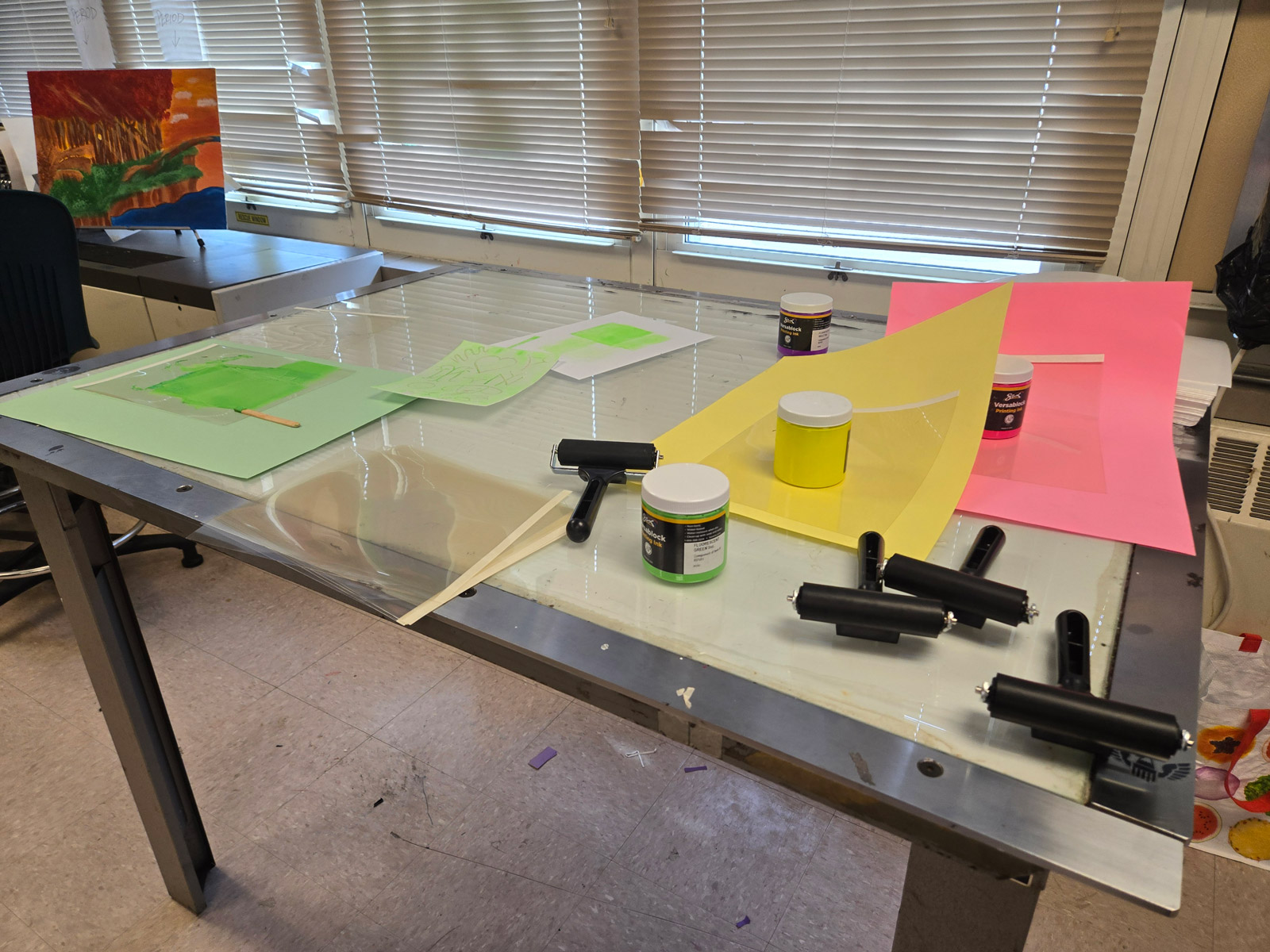
Personal Choice in College & Career Development: The project gives a great deal of autonomy to students — they must reconcile with the project’s high-level thinking, limited physical requirements, and personal expression while making consequential creative choices. By providing all students with the same accessible base materials, the project democratizes creative production.
Civic Knowledge: By publicly expressing and documenting personal/cultural identity, students engage with questions of representation, visibility, and cultural expression in civic spaces. The project introduces economic civic participation as students create products, set up transactions, and engage their community as both artists and entrepreneurs.
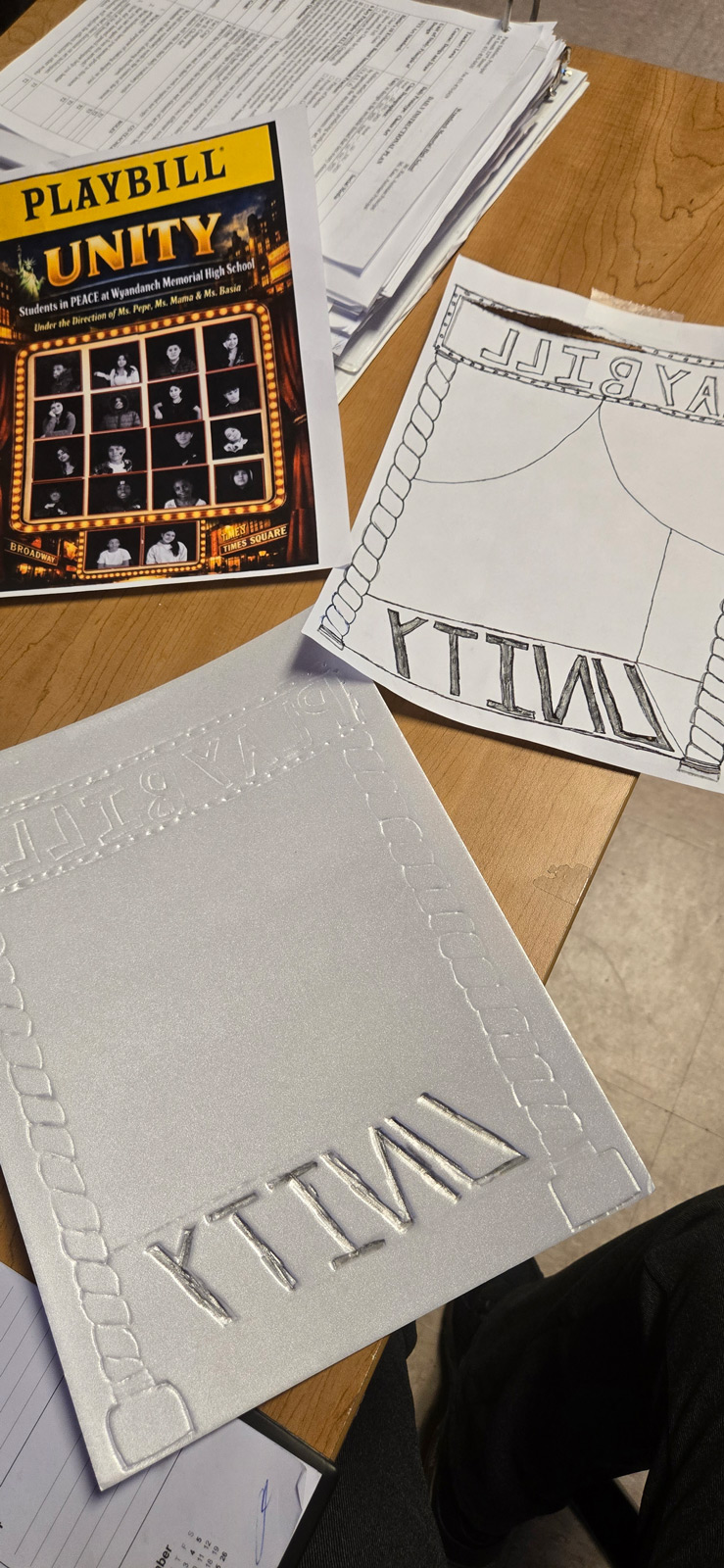
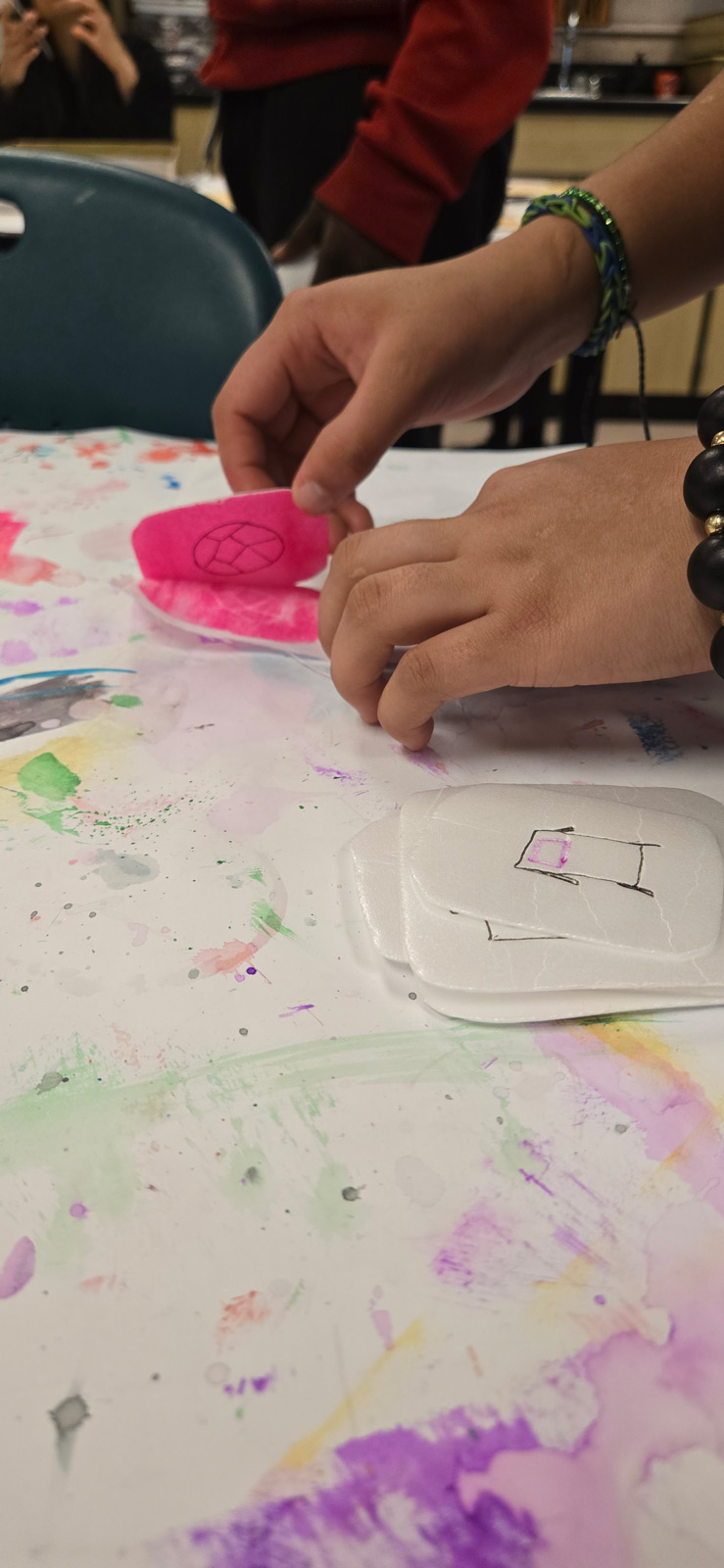
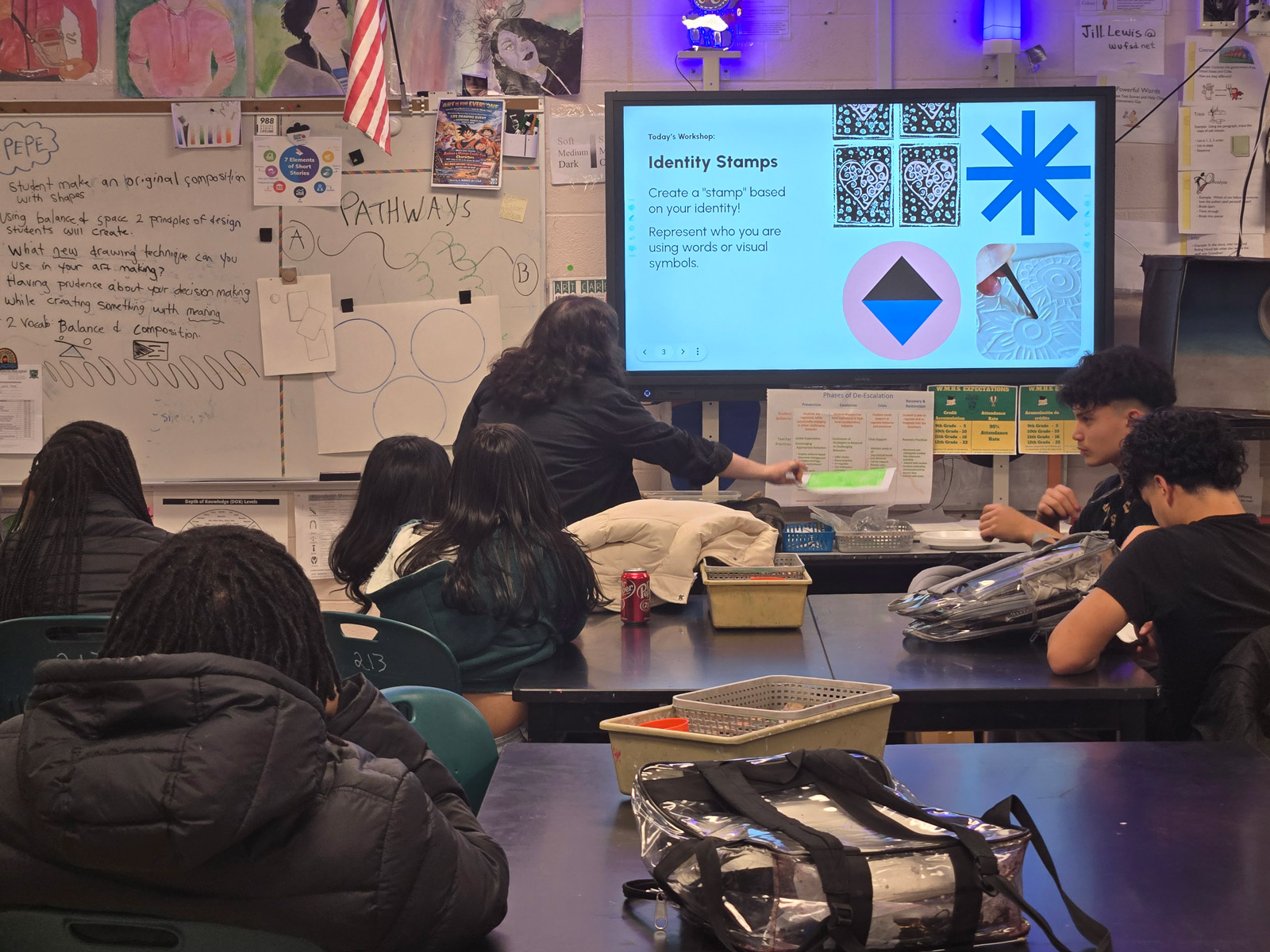
Civic Skills & Action: Students develop multi-channel communication skills, learning how different media shape message meaning across movement, print, garment, and digital formats. Students practice communicating with civic organizations through flyer creation for print and social media. Students also practice documentation and archivism through the creation of their playbill spreads.
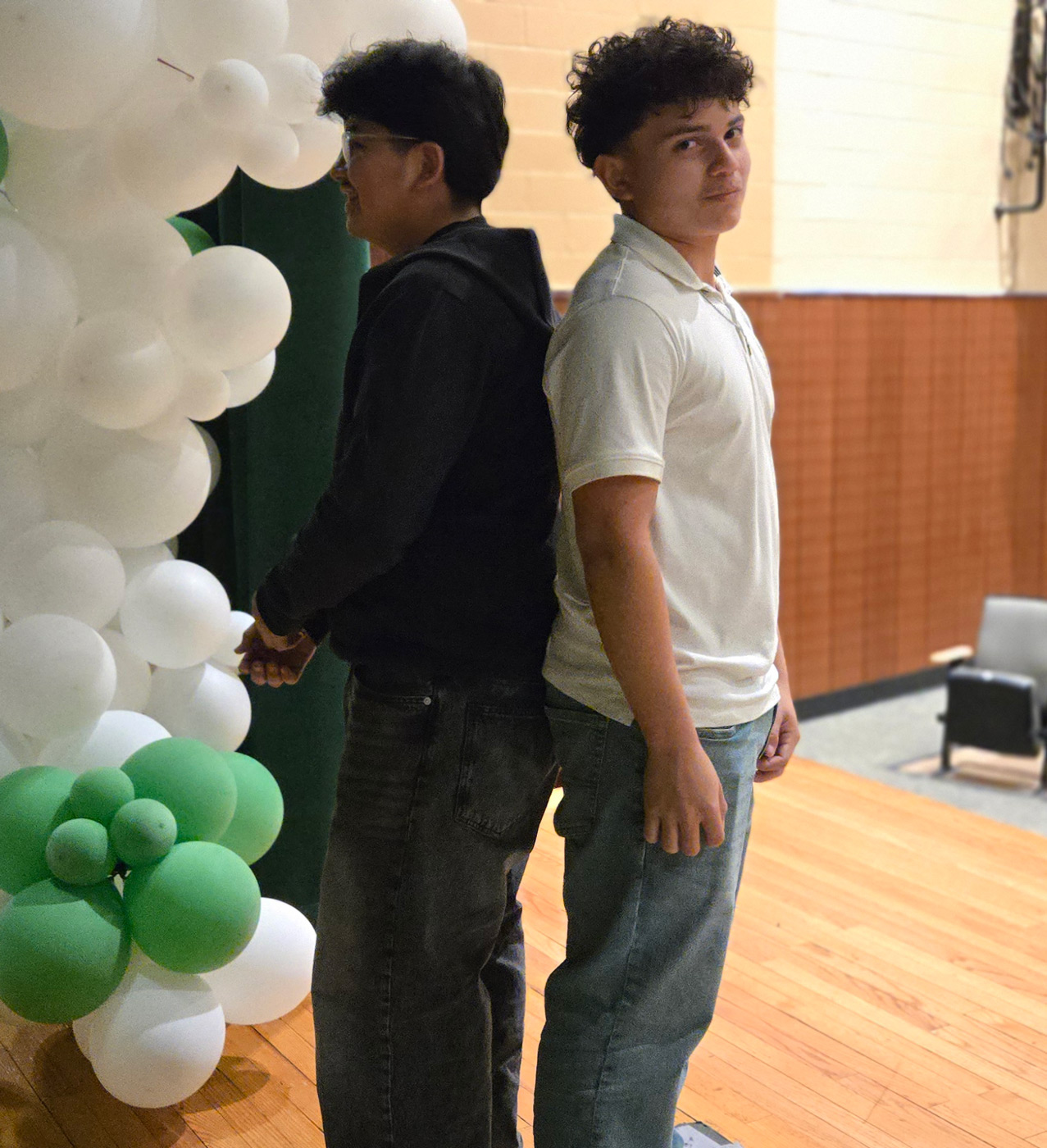
Civic Mindset: Students wear each other's work through the collaborative t-shirt exchange, creating tangible symbols of community where individual expression strengthens collective identity. The collaborative structure of the stamp, event flyer, commemorative t-shirt, and playbill ensures every student's contribution is valued equally. Besides students having movement opportunities to express themselves individually, they also had to learn movements and collaborate with another student to create together a movement piece, thus having the opportunity to learn to work with and collaborate with another individual to create a product together . Finally, there was movement that required the whole class to work together to create a short “unity” dance - where each student bring their individual identity yet coming together to make something happen for their entire class community- everyone sharing the same movement together. This is what has to happen to create a functioning and representational society! - Civic, mindset, skills,action and knowledge!
CR-S
Welcoming & Affirming Environment: The project centers student identity as the curriculum itself, with the "identity phrase" framework validating that every student has meaningful stories worth expressing and preserving. The collaborative t-shirt exchange and zine or public playbill create lasting documentation that communicates that each student identity matters enough to be recorded, performed, and remembered. Students are also taught the intrinsic value of understanding and respecting other classmates' identities/cultural backgrounds.
High Expectations & Rigorous Instruction: Project incorporates visual art activities involving high-level thinking and skilled craft techniques. Students translate abstract identity concepts into visual symbols, coordinate multiple deliverables ahead of a public performance deadline. Even though students were reluctant at first to do any kind of movement, with persistence and reinforcement they eventually participated and ejoyed!
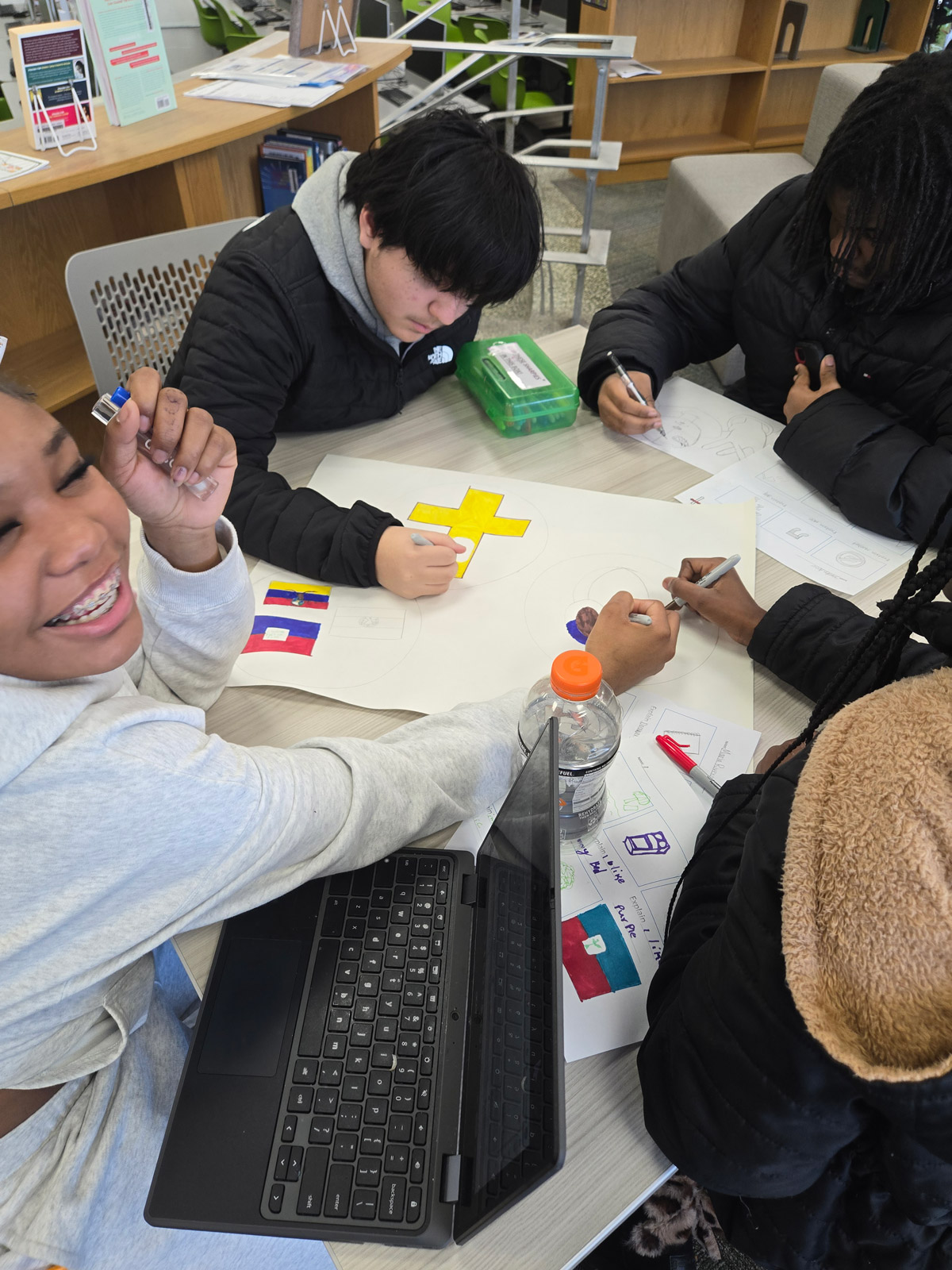
Inclusive Curriculum & Assessment: By basing the project around celebrating student identities and creativity, the project elevates historically marginalized perspectives. This project begins with centering identity, culture, and beliefs, thereby honoring experiential ways of knowing. Students study their own and their classmates’ identities, giving equal authority to all cultural perspectives. Using accessible materials and assessing conceptual clarity rather than technical perfectionism removes barriers. Creating promotional materials and selling products engages students with questions about representation, access, and power. The students were very energised when a survey with basic identity questions was passed out they had to interview a fellow classmate! They were very eager to learn about each other…..
Ongoing Professional Learning & Support: Instructors acknowledge students as valid knowledge-holders whose cultural understanding may exceed the teacher's in relevant areas. Activities require students to articulate why they made choices, developing critical consciousness.
Outcomes
Students’ learning has expanded as a result of this project because now they…
KNOW… by basing the project around celebrating student identities and creativity, the learning experience elevates historically marginalized perspectives and empowers student voice. The project begins by centering identity, culture, and beliefs, honoring experiential ways of knowing and validating lived experiences as meaningful sources of inspiration.
UNDERSTAND… both their own identities and those of their classmates, giving equal authority to diverse cultural perspectives and fostering empathy, collaboration, and community. Through this process, students strengthened their ability to communicate meaning visually while developing confidence in their individual voices. Using accessible materials and assessing conceptual clarity rather than technical perfectionism helped remove barriers to participation and allowed all students to succeed regardless of prior art experience. This approach promoted inclusivity, risk-taking, and creative problem-solving.
ARE ABLE TO… create promotional materials and selling products engaged students in real-world applications, encouraging them to think critically about representation, access, audience, and power within creative industries. This experience supported entrepreneurial thinking, marketing skills, and professional readiness — preparing students for future opportunities in college, careers, and creative fields.