What Makes Us Human?
Educator: Michael Brunetti, Art Educator
Cultural Partner: Alina Wilczynski, Photographer and Multi-Media Artist
School: Patchogue-Medford High School
Grades: 9-12
District: Patchogue-Medford Union Free School District
District NYSED link: https://data.nysed.gov/profile.php?instid=800000037538
Summary
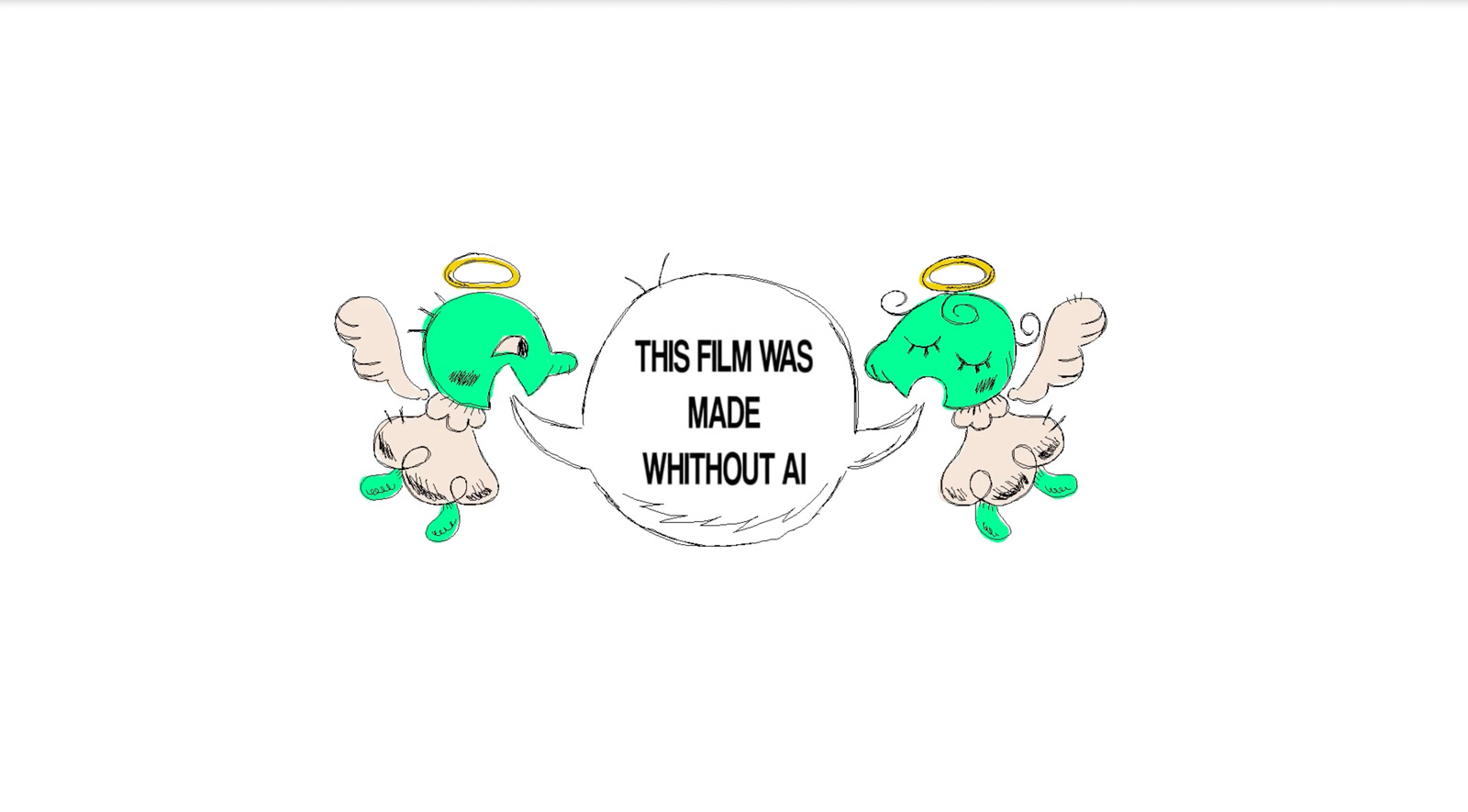
This project sought to connect students with moments in their lives that make them feel human through collaborative conceptualizing, artmaking and discussion in order to reaffirm aspects of our personal and professional lives that cannot be replaced by AI.
We explored individual as well as collective identity, shared interests and motivations, empathy and belonging by describing and making art about experiences that make us feel alive and inspired, and that contribute to our overall well-being and enjoyment of life.
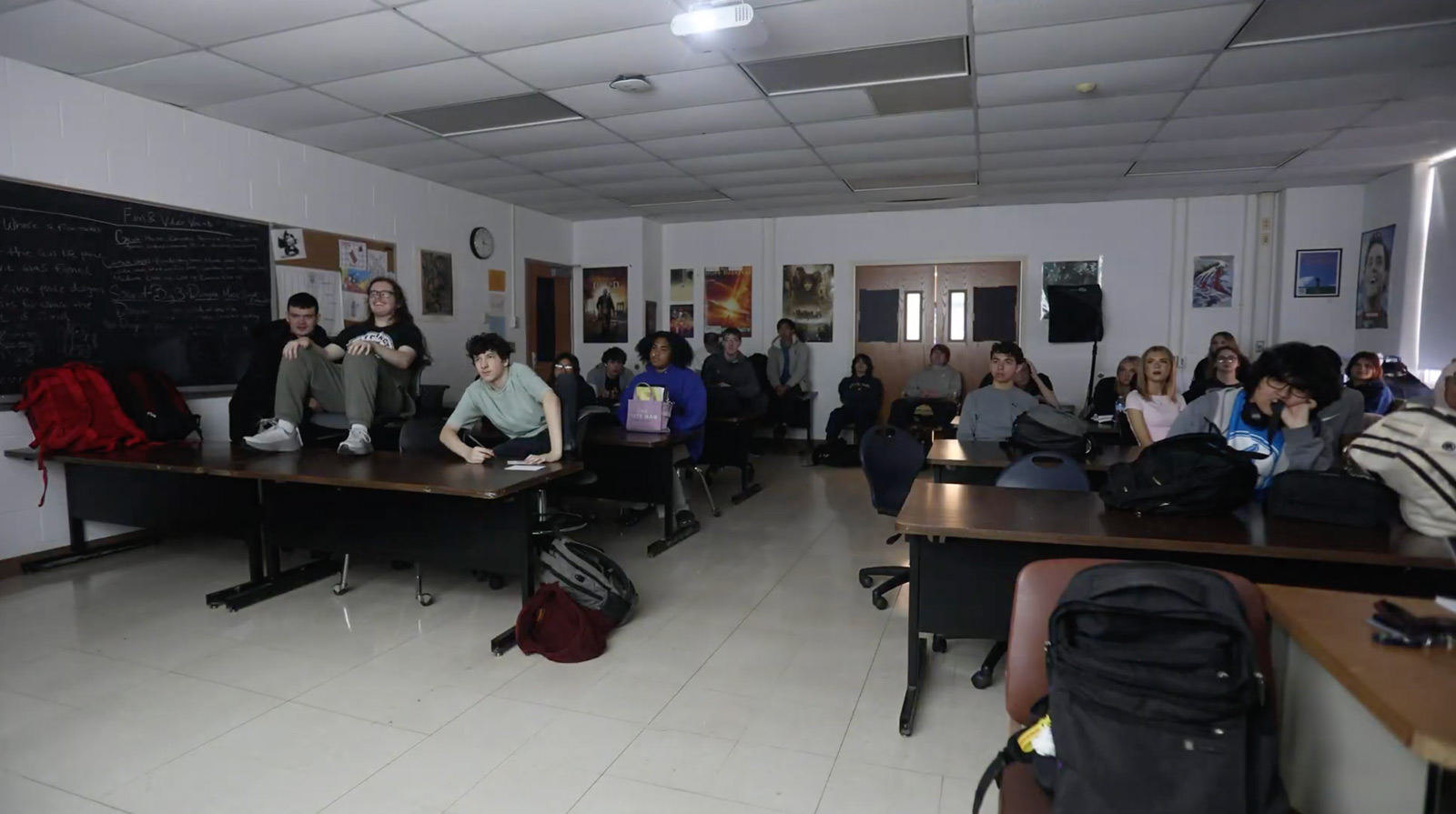
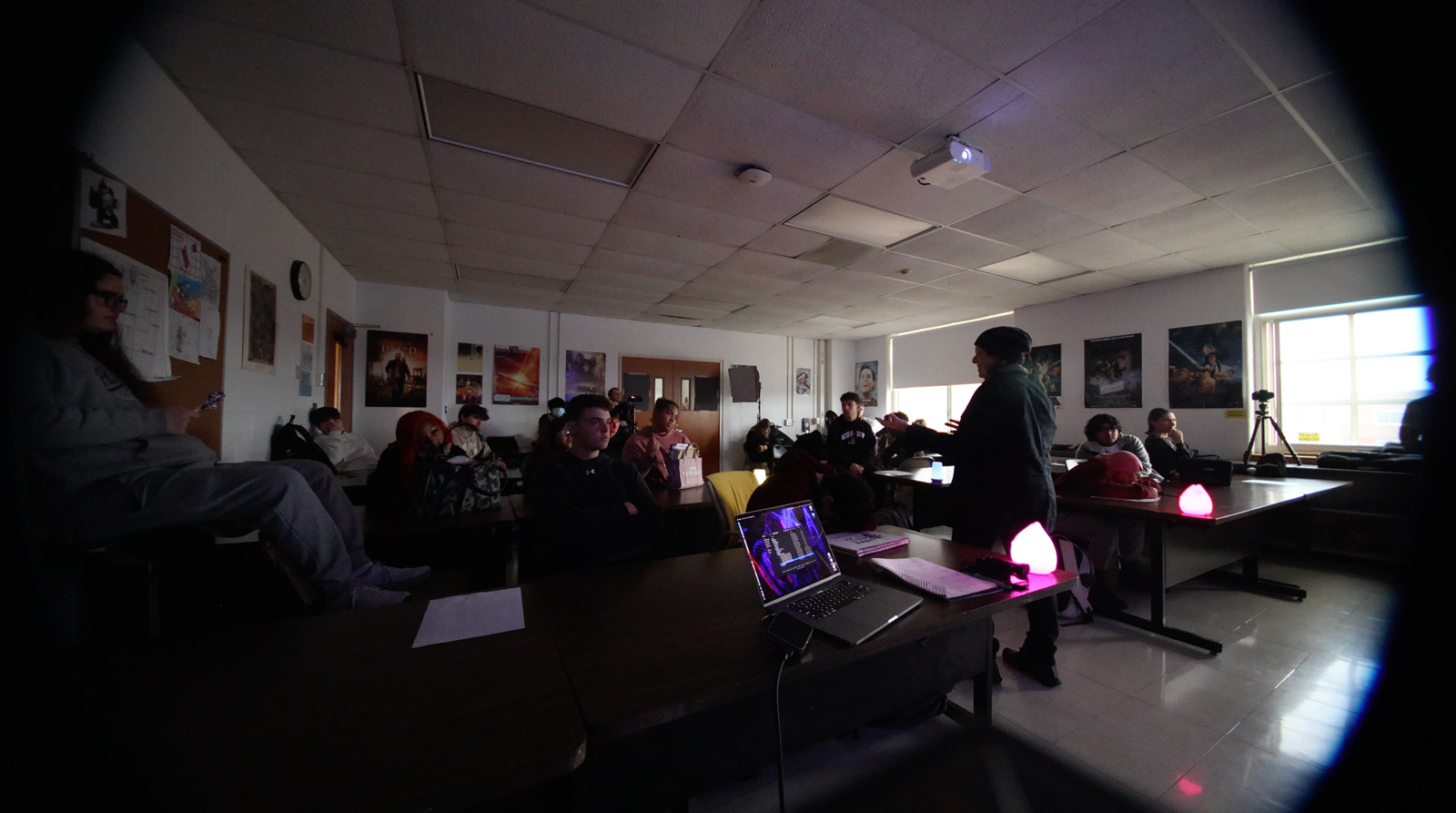
Several classes were dedicated to sharing each other’s completed work and reflecting on what it was like to experience topics like music, martial arts and roller coasters through light- and movement- based visual artmaking. We also discussed how their themes and their work fit into a larger context of media in general and larger social issues.
Rationale
Level 1 & 2 students will work alongside each other in a group project. The issue our project seeks to address is the current state of art/society regarding AI. As our society becomes more and more integrated with AI, art is now manufactured instead of made. Our project seeks to connect students with the moments that we make in our lives that make us feel human. Moments in our lives that get our heart racing, a time when one feels 100% engaged with what they are doing. Exploring the common feelings we all share in these moments is something that a robot could never replicate. It is something completely natural to each of us.
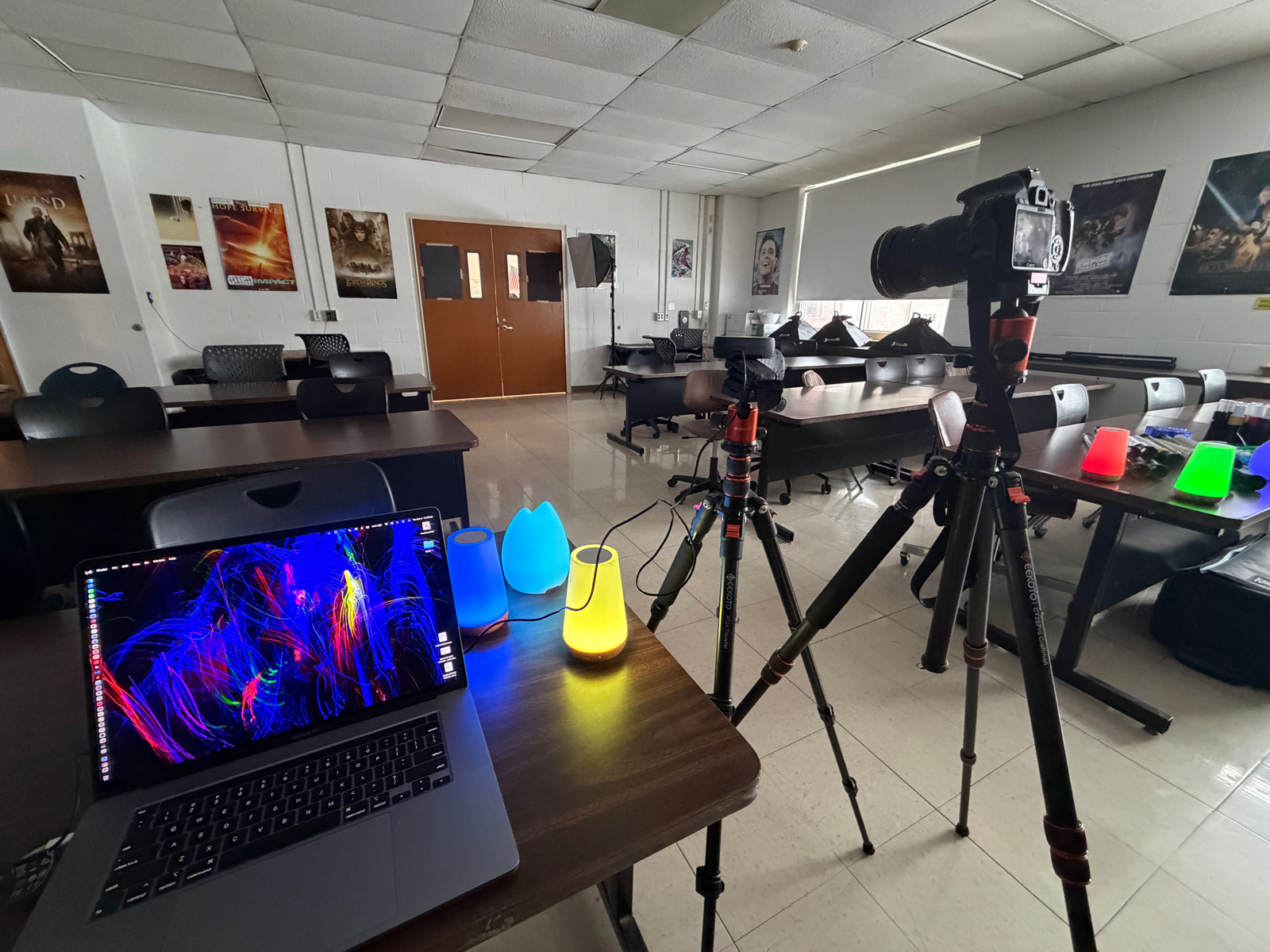
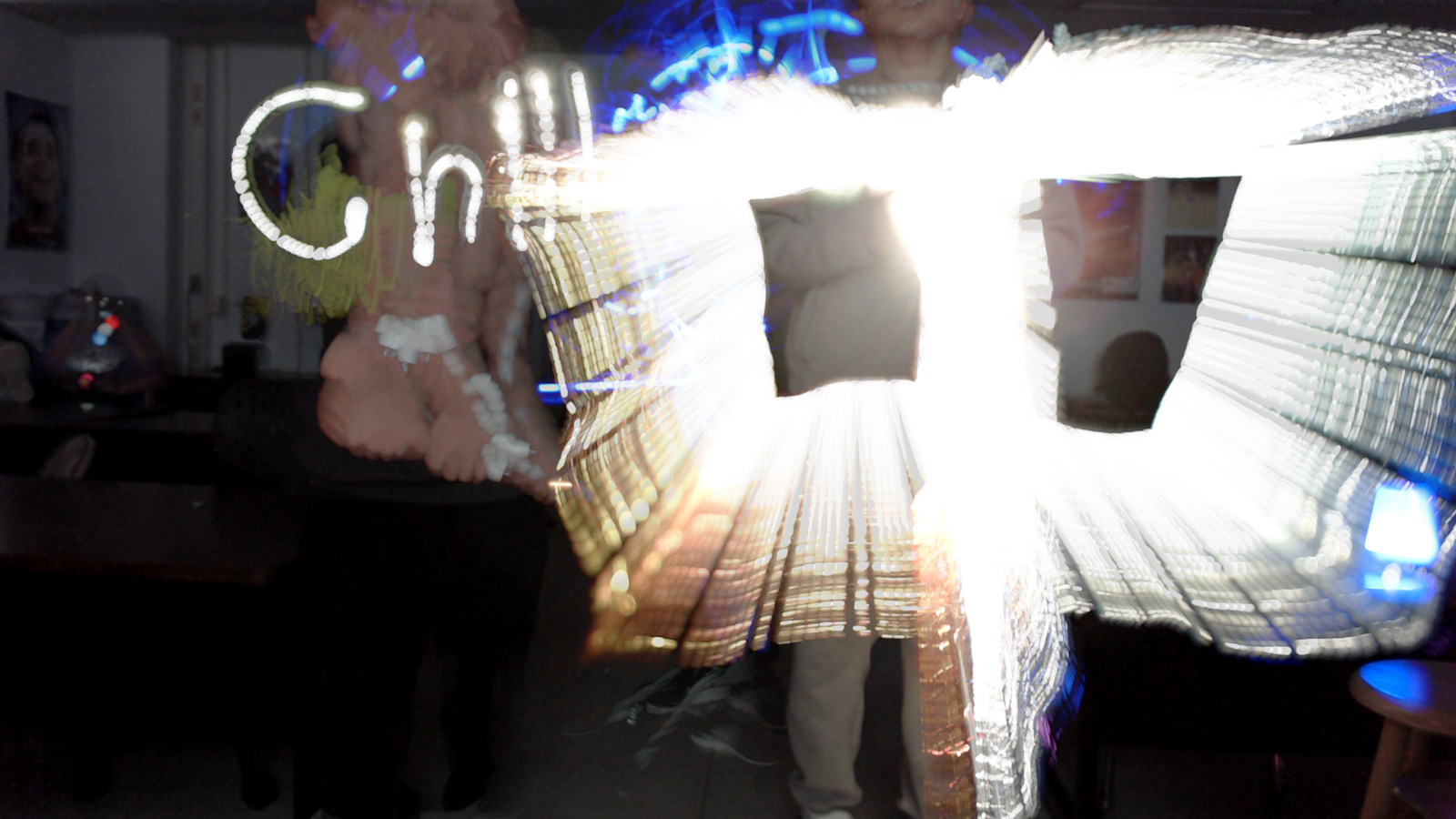
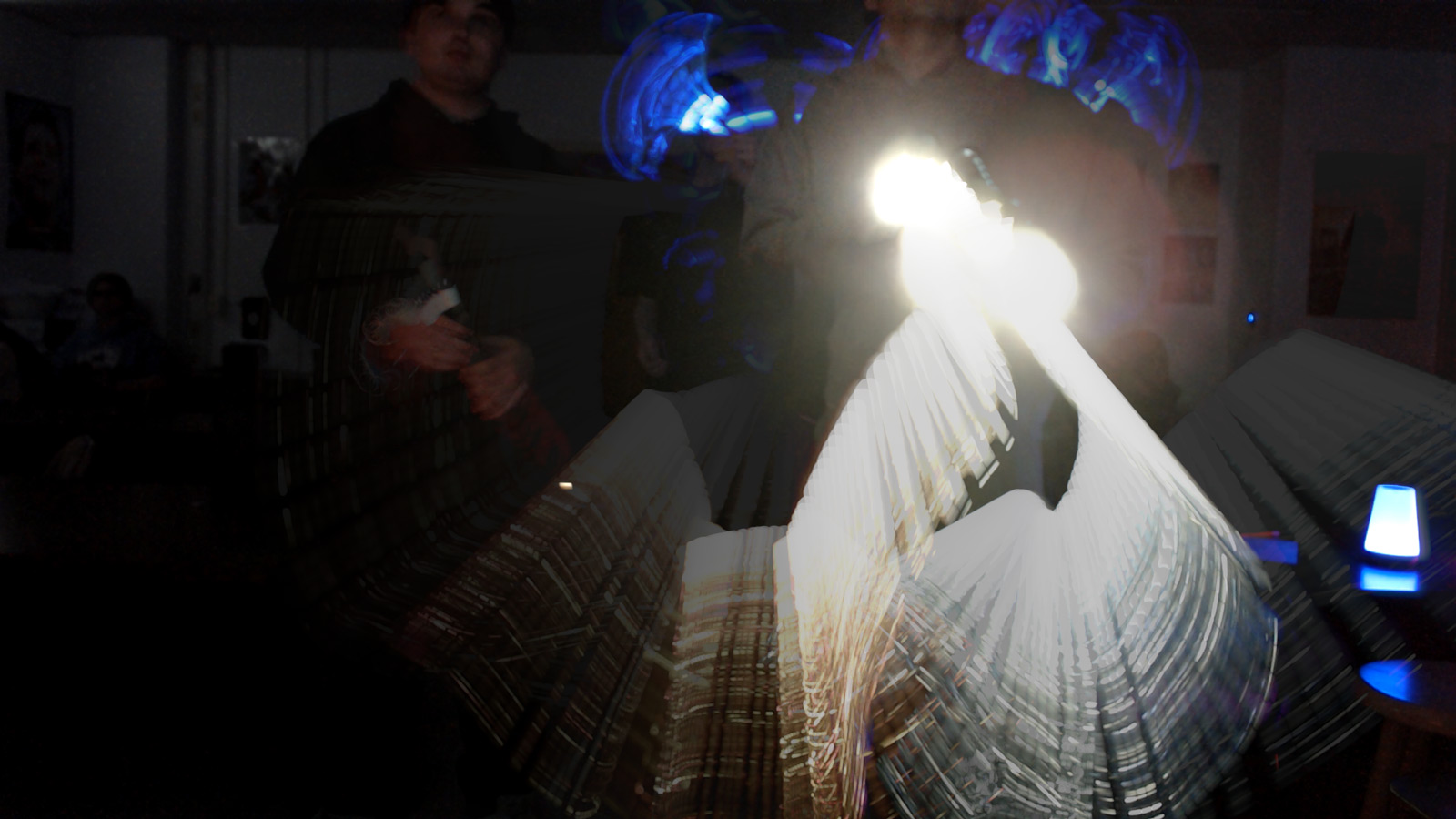
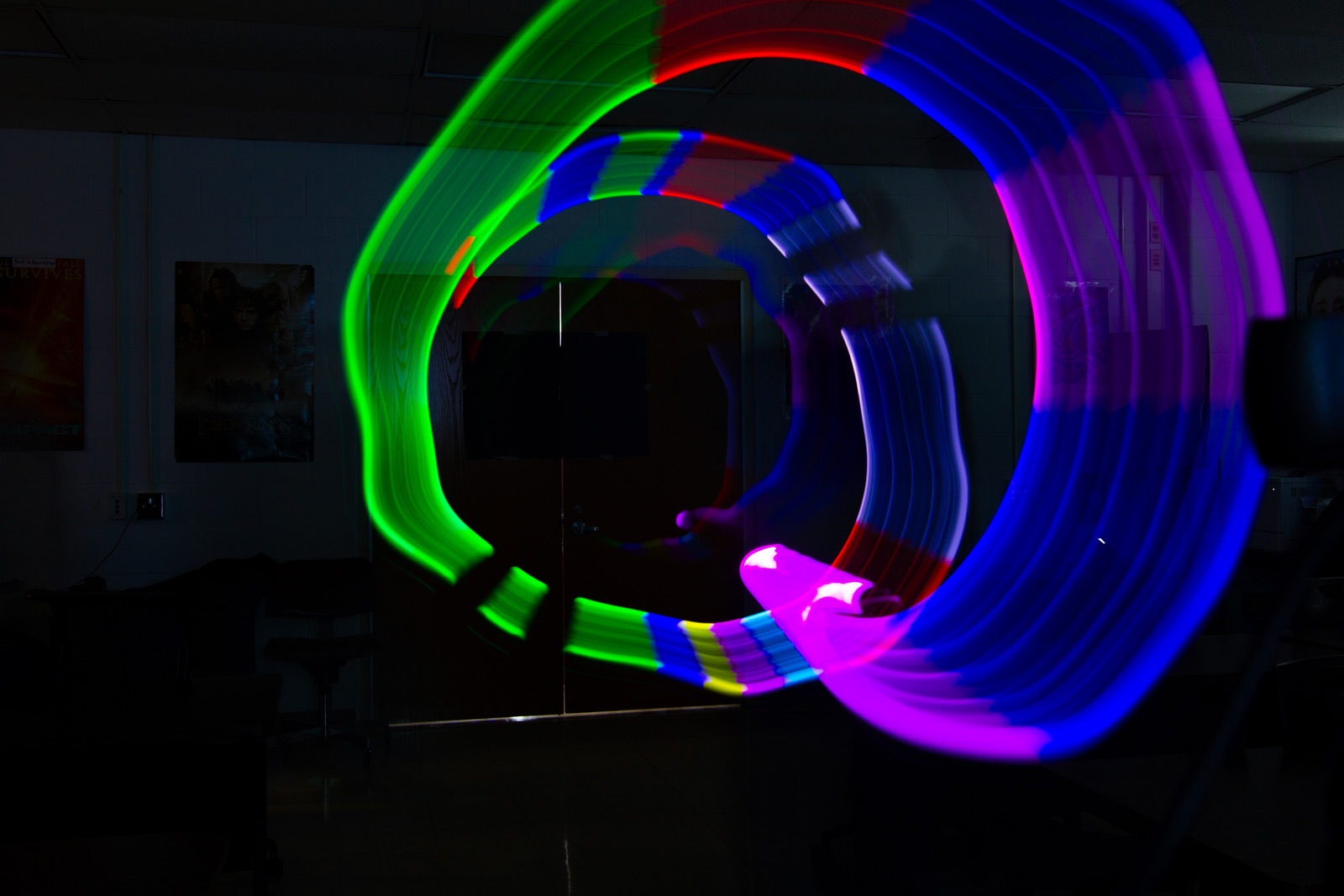
Level 2 students will guide their group of Level 1 students through the video making process. They will work as a team to define and explore one common emotion associated with an activity. (ex. Winning a sports/video game, heartbreak/loss, creativity/drive). They will then represent that emotion through light painting. Students will record the art making process and create works that combine video and photography in synchrony.
What learning goals/standards did this meet?
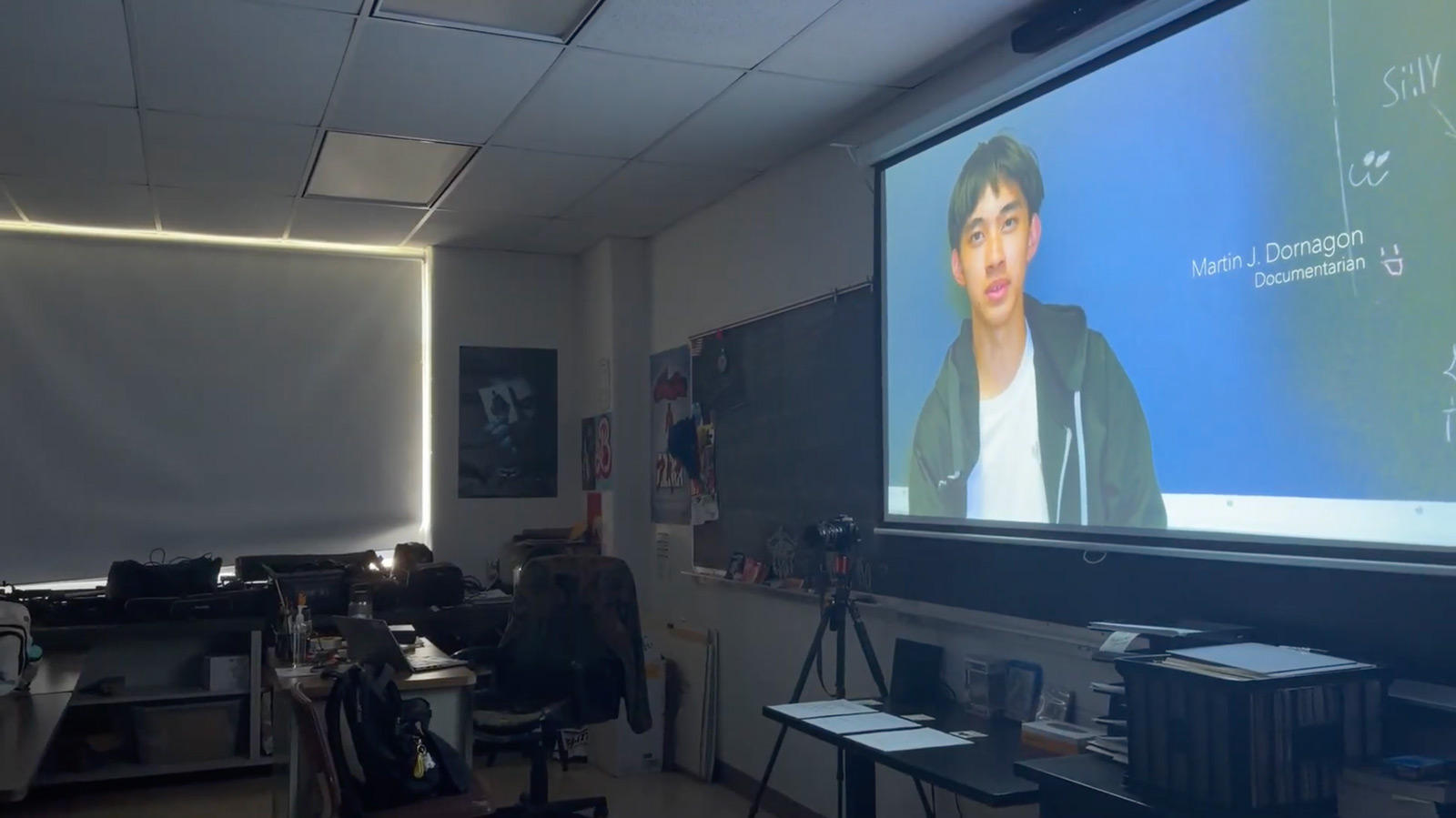
Arts: Students combined traditional Light Painting photography with experimental non-narrative digital Video Light Painting techniques. Several students also filmed the entire project and created a behind-the-scenes video with student interviews to capture the project experience from their perspective. This video was presented together with a second video created by Alina combining student work with outside materials and current events related to themes discussed in class. Seeing their work reflected back to them in two different forms of documentation gave them a unique perspective of how their work contributed to the whole, and how narratives, conclusions and bigger questions can emerge before, during and after ideation, an essential part of the creative process… and being a human!
CCCR: Creative innovation as a skill is more vital than ever for finding one's place in a changing workforce. Tasks that do not require critical thinking are rapidly being automated and replaced. Therefore, it is essential at this early stage to ask big questions about what jobs can only and should only be done by a human, and why. At the core, answers can be found in our emotions. Emotions that connect us, motivate us and inspire action.
Global society relies heavily on digital media/video to tap into our emotions. As a tool for documenting and sharing live events — from basketball games to concerts, gatherings with friends to weddings. And as powerful narrative/storytelling that can reinforce, expand or change our emotional perspectives on complex issues and causes that affect us all.
Each collaborative team of students represented a mix of backgrounds and experiences. They were tasked with discussing aspects of their lives, activities and aspirations that are uniquely human. They discussed what is culture, from family tradition/legacy to modern collectives, and chose a theme they could embody and amplify together in an affirming atmosphere of sharing. They made decisions about their theme together, how to translate all the five senses and their emotions into different quality brush strokes of light, color, slow or fast, patterned or random movement, and they delegated who would work on constructing and drawing which parts of the image to make the whole.
While some groups chose very tangible activities, like walking in their own backyard or watching a train crossing a roadway with the sound and sights of the gates and lights, others chose imaginary realms like being inside a music video. One group used the theme of martial arts, which allowed one team member to teach another the moves to perform and the tradition behind them.
CR-S:
In addition to creative uses like art, design and marketing, animation and filmmaking, we discussed how we might use cross-disciplinary and cross-medium storytelling to advocate for things that are important to us. We used the example of a recent news report about a NJ High School that was discontinuing all Freshman sports teams because of a budget shortfall. In order to make the case for continuing these teams, students were interviewed on TV about how much they enjoyed playing sports and how they developed strong friendship bonds and valuable life lessons not otherwise found in the classroom. The parents and community were so moved by the prospect of these losses, they were already half way towards raising the $120,000 themselves to pay for coaches, gear and other administrative and facility costs. We talked about another case for preserving green spaces, specifically because one of the students chose going for walks outdoors as his theme. When asked what about walking was important to convey, he said it helped him feel healthy, grounded and positive.
By tying seemingly benign topics like listening to music and playing sports to wider forces that might not see them as important or worth funding, students were also able to get a glimpse of and understand how their experiences and feelings are not only valid but part of an experiential fabric within their group and their classroom and school at-large, which is then further connected to their community, state and beyond.
Light Painting has to be done in a dark setting, the person generally does not show up in the final images and the image-making software can be set to fade soon after line gestures are made. This allowed students to be completely free and unashamed with their movements, even if there are others in the room they would ordinarily be distracted by. They can intuitively express any and all emotions, even hesitancy, frustration and aggression without judgement, and they get immediate representation of their emotions as artwork that is completely unique to the moment, all beautiful, all included.
Outcomes
Students’ learning has expanded as a result of this project because now they…
KNOW… how to think of and use digital media/video production to tell meaningful and purposeful stories for self-expression, entertainment/enjoyment and professional client work, as well as for the purpose of advocating for something important to them.
UNDERSTAND… that creating something in any field often requires finding ways to thread together multiple concepts, differing points of view and opinions from others, including other team members, clients/customers or other stakeholders — whether leading, delegating or taking direction — in real time, as well as consider their audience, broader concepts and outcomes. And having now seen practical applications for art and experimental media, they understand that there is a place for varying concepts, ideas and opinions to come together and create something completely new and unique to them.
ARE ABLE TO (DO)… look within, and to each other, to analyze and articulate deep and complex feelings about our shared existence and the experiences that are fun and exciting, also those that are challenging and charged. Then communicate these feelings with multi-media metaphors, finding similarities and differences in forms of media they may or may not have seen before.